

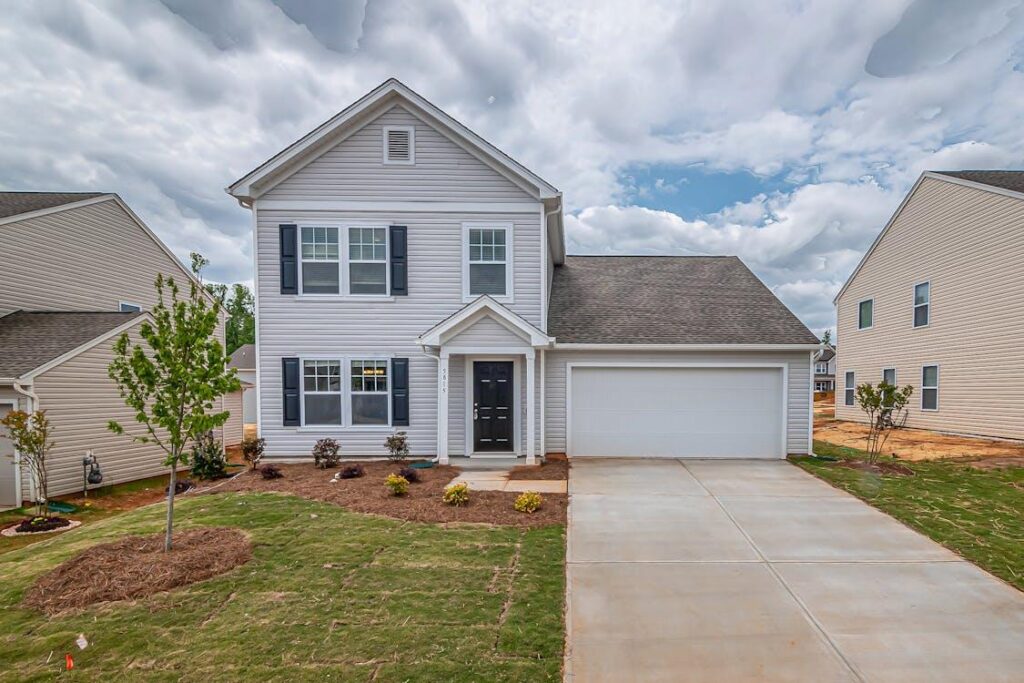
A roof can look perfectly sound from the street while hiding one of its most vulnerable areas in plain sight. Roof valleys, where two sloping roof sections meet, channel rainwater toward the gutters and drainage system.
During heavy rainfall, these intersections handle a concentrated flow of water, making precise installation essential. For Hampton homeowners, understanding why roof valleys matter can help prevent moisture problems and protect the roof’s long-term performance.
1. What Makes Roof Valleys So Important?
Unlike other roof sections, valleys collect runoff from two adjoining slopes instead of one. This means water can move through them in substantial volumes, particularly during Hampton’s periods of heavy rain. Leaves, pine needles, and other debris can also accumulate in these channels, slowing drainage and allowing moisture to linger.
A properly constructed valley directs water safely down the roof without allowing it to penetrate the underlying structure. When this pathway is poorly designed, obstructed, or damaged, water can seep beneath the shingles and affect roof decking, insulation, and interior ceilings.
2. Common Problems That Develop in Roof Valleys
Several issues can compromise valley performance, even when the surrounding shingles appear intact.
- Incorrect shingle placement:Poorly aligned or improperly secured shingles can create openings where water may enter.
- Damaged flashing or underlayment:These protective layers help prevent moisture from reaching the roof structure. Tears, gaps, or deterioration can weaken that protection.
- Debris buildup:Leaves and branches can restrict water movement, particularly where roof valleys meet gutter systems.
- Wear and weather exposure:Repeated rainfall, temperature changes, and wind-driven debris can gradually affect valley materials and surrounding roofing components.
Early warning signs include water stains on ceilings, damp attic insulation, peeling paint near the roofline, or recurring leaks after storms. Prompt roof leak repair can help address the source before moisture causes more extensive damage.
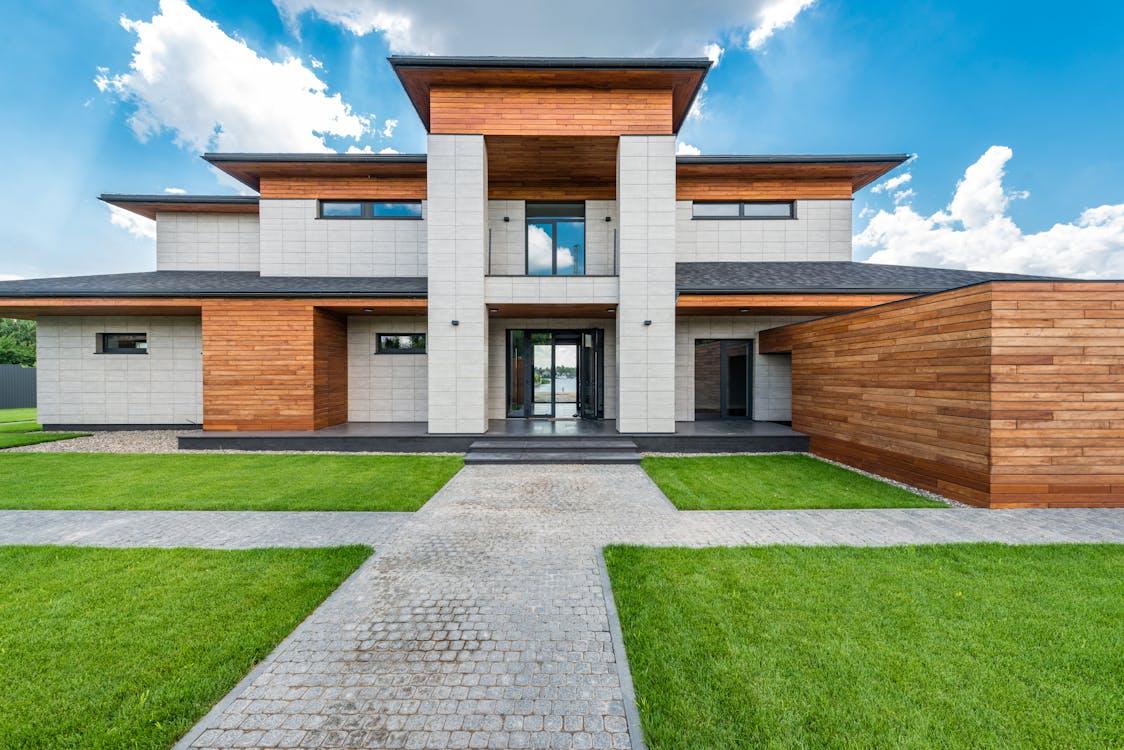
3. Why Proper Valley Installation Matters
Roof valley construction requires careful planning, accurate measurements, and materials suited to the roofing system. Depending on the roof design, a professional may recommend an open valley with exposed metal flashing or a closed valley where shingles cover the valley area.
Regardless of the method, the underlying waterproofing, shingle placement, and drainage path must work together. Incorrect fastening or poorly finished intersections can create weak points that may not become obvious until the next major storm.
An experienced roofing contractor will assess the roof’s slope, material compatibility, flashing condition, and water flow before completing the installation. This attention to detail helps reduce avoidable leaks and supports the roof’s overall durability.
4. Protecting Roof Valleys on Hampton Homes
Routine inspections are particularly valuable after severe weather and during seasonal roof maintenance. Removing accumulated debris, checking for damaged shingles, and examining valley flashing can help identify concerns before they develop into costly repairs.
If you notice recurring leaks or visible deterioration, a qualified roofer can determine whether the problem requires localized repairs or more extensive work. Keeping nearby gutters clear is equally important because blocked drainage can allow water to back up around vulnerable roof intersections.
Protect Your Roof with Guardian Roofing Services
Concerned about a roof valley, damaged shingles, or signs of moisture? Contact Guardian Roofing Services for professional roof repair, dependable roofing services, and expert roof leak repair. Our team can assess vulnerable areas, identify potential concerns, and help you determine the right next steps to keep your Hampton home protected. Reach out now.