

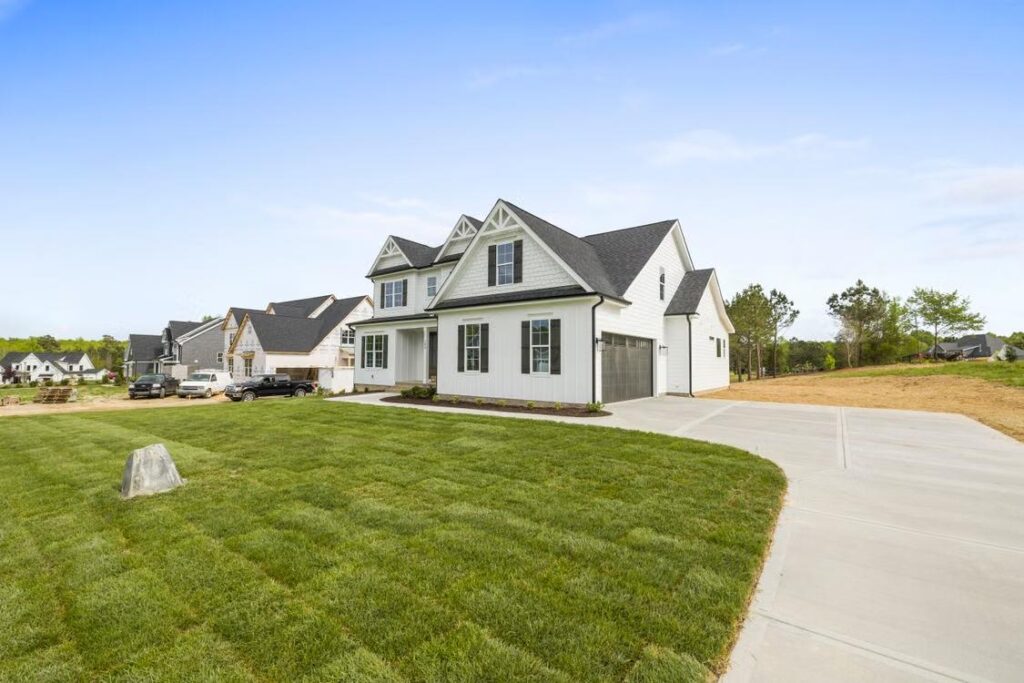
A roof can look simple from the curb, but its shingles affect how a home handles weather, ages, and fits its overall design. For Hampton homeowners comparing options, the choice often comes down to traditional asphalt shingles or architectural shingles. Understanding the difference between asphalt shingles and architectural shingles makes it easier to discuss priorities with a qualified roofer before a replacement.
1. What Are Traditional Asphalt Shingles?
Traditional asphalt shingles, often called three-tab shingles, have a relatively flat, uniform profile. Each shingle follows a defined tab pattern that creates consistent horizontal lines after installation. Their straightforward construction has made them a familiar choice for residential properties.
One advantage is simplicity. Traditional shingles provide a clean appearance without much visual weight and can be practical for homeowners working within a tighter budget. The tradeoff is a more limited dimensional appearance and, depending on the product, a shorter expected service life than architectural options.
2. What Makes Architectural Shingles Different?
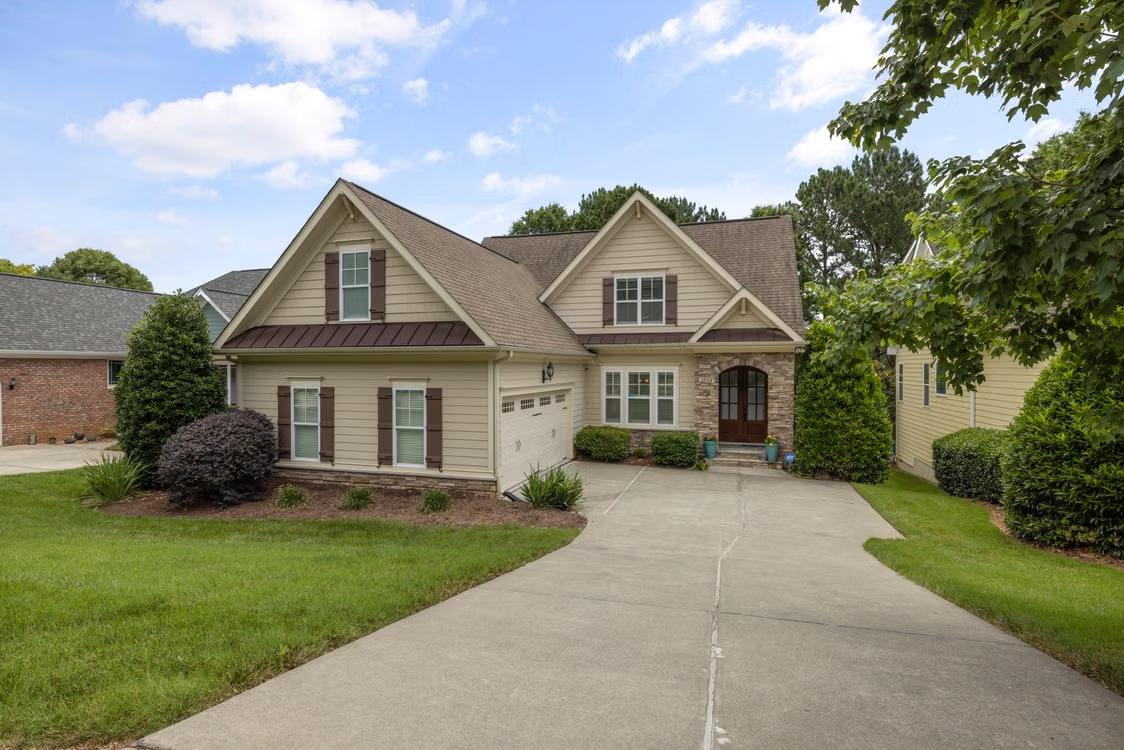
Architectural shingles are also asphalt-based, but they use multiple layers to create a thicker, more dimensional profile. Rather than looking like repeated tabs, they give the roof greater depth and visual variation.
That added dimension can improve curb appeal. Architectural shingles can also mimic the character of more expensive roofing materials while remaining an asphalt option. For homeowners updating an older property or refreshing the exterior, their richer profile can complement siding, trim, and windows.
Their layered construction can provide greater resistance to everyday wear than basic three-tab shingles, although performance depends on the specific product, installation quality, ventilation, maintenance, and weather exposure.
3. Construction: The Difference Beneath the Surface
The key distinction is construction. Traditional three-tab shingles generally use a single layer and a uniform cut. Architectural shingles use multiple bonded layers, giving them greater thickness and a textured appearance.
This can affect durability as well as looks. A thicker shingle may better tolerate certain environmental stresses, but neither type is immune to wind, falling branches, moisture, age, or installation problems.
Material selection should therefore be considered alongside the entire roof system. Decking, underlayment, flashing, ventilation, and edge details all influence finished performance.
4. Appearance and Overall Roof Design
Architectural shingles usually offer more visual character. Their varied shapes, shadow lines, and textures can make a roof appear more substantial without changing the basic asphalt material.
Traditional shingles create a flatter, more repetitive pattern. That can work well for homeowners who prefer a straightforward look or whose home design favors simplicity.
Neither appearance is automatically better. The right choice depends on the home’s proportions, existing exterior materials, neighborhood character, and personal taste. A roof should feel connected to the rest of the property.
5. Installation Considerations
Both shingle types require careful installation, and workmanship has a major impact on performance. Proper alignment, fastening, flashing, underlayment, ventilation, and roof-deck preparation all matter.
Architectural shingles may also require close attention to manufacturer installation instructions because their layered design and patterning can affect course layout.
A reputable roofing contractor should inspect the existing roof structure, explain the proposed system, and identify underlying concerns before installation begins. New shingles cannot fully solve damaged decking, inadequate ventilation, or vulnerable flashing.
6. Durability and Long-Term Value
Traditional asphalt shingles can suit homeowners prioritizing initial affordability and a conventional appearance. Architectural shingles often appeal to those willing to invest more upfront for greater visual depth and potentially longer-lasting performance.
Price should not be judged by shingles alone. Consider installation, expected service life, maintenance, warranty requirements, ventilation, and the condition of the existing roof.
A carefully selected and properly installed roof can support the home’s protection and appearance for years. Even premium shingles, however, can underperform when installation or roof-system details are neglected.
7. Hampton Weather Is Part of the Decision
Hampton homes face changing weather throughout the year, so the decision should go beyond color and curb appeal. Wind, rain, humidity, and seasonal temperature changes can influence roofing performance and maintenance needs.
Homeowners should ask how the proposed shingle system will be installed, what supporting components are included, and how vulnerable areas such as roof edges, penetrations, and flashing will be protected.
Periodic inspections can also reveal early signs of wear. When damaged shingles, moisture intrusion, or other concerns appear, timely roof repair may help prevent a manageable issue from becoming more extensive.
8. Which Shingles Should You Choose?
There is no one-size-fits-all answer. Traditional asphalt shingles may suit homeowners seeking a simple appearance and lower initial material cost. Architectural shingles may be a better fit for those wanting stronger visual definition and a more substantial roof profile.
Start with the home itself. Consider the roof’s pitch and design, your budget, preferred appearance, weather exposure, and expected length of ownership.
A professional assessment can turn those considerations into a practical recommendation rather than a decision based on appearance alone.
9. How to Compare Roofing Options
When reviewing estimates, compare more than the product name or total. Ask which shingle line is proposed, which underlayment and flashing are included, how ventilation will be handled, and whether damaged roof-deck areas are part of the assessment. Comparing the system helps homeowners understand cost and prevents a shingle upgrade from overlooking installation details.
10. Look at the Entire Roofing System
Shingles are the most visible component, but they are only one part of a roof. Underlayment, flashing, ventilation, decking, drip edges, and drainage work together to protect the home.
That is why an experienced roofing professional looks beyond the shingle label. A successful project should address the entire system and give the homeowner a clear understanding of what is being installed and why.
Whether you choose traditional asphalt or architectural shingles, thoughtful material selection and careful workmanship can make the finished roof durable, functional, and appropriate for your Hampton home.
Choose the Right Roof for Your Hampton Home
Guardian Roofing Services helps Hampton homeowners make informed roofing decisions with dependable roofing services, experienced professionals, and practical guidance. Contact our roofing company to discuss shingle options, plan roof repair, and protect your home with a solution suited to its needs from initial inspection through the finished installation and beyond. Get a free estimate here.