

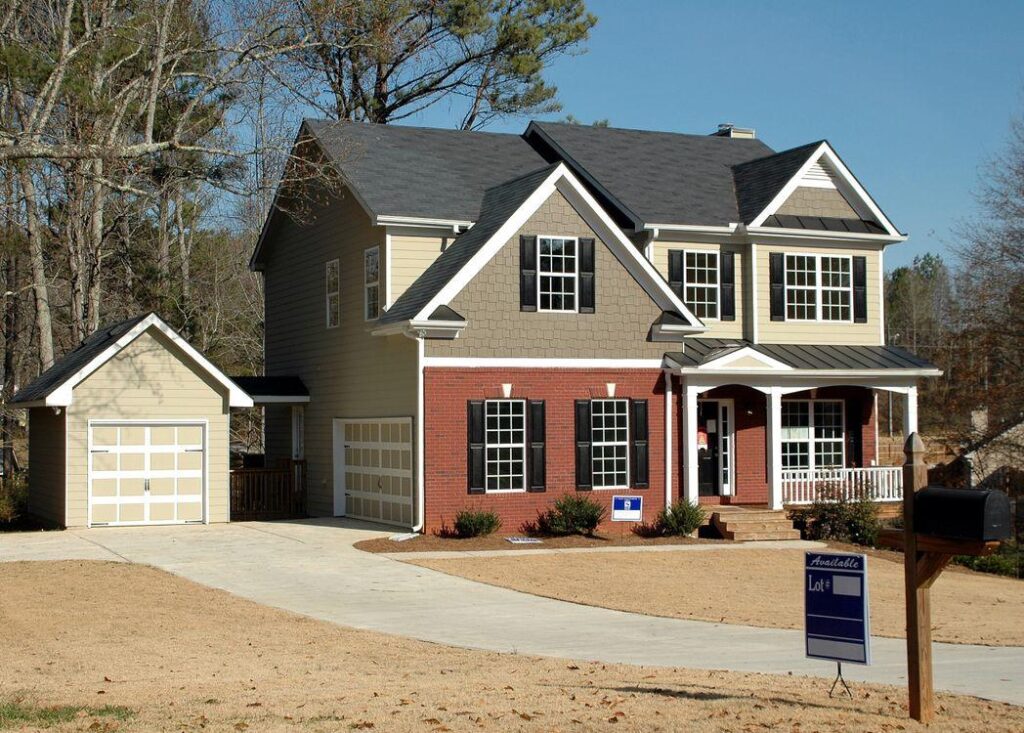
A residential roof is easy to picture as one surface, but it is actually a layered system in which every component has a specific role.
For Newport News homeowners, understanding those layers makes it easier to spot warning signs, ask informed questions, and understand why professional roof repair can involve more than replacing a few shingles. Read on as we break down all the parts of a residential roofing system.
1. Roof Deck: The Structural Foundation
The roof deck is the solid surface fastened to the rafters or trusses. Often made from plywood or oriented strand board, it supports the roofing materials above.
Because every upper layer depends on the deck, moisture damage is a major concern. A leak may soften wood, cause staining, or weaken the structure. Professionals may check for sagging, soft areas, discoloration, and evidence that the deck has been exposed to moisture or other structural warning signs.
2. Underlayment: A Hidden Moisture Barrier
Underlayment sits between the roof deck and shingles. It is rarely visible after installation, yet it provides an important second layer of defense against rain.
If wind-driven water gets beneath a shingle, properly installed underlayment helps keep moisture from reaching the deck immediately. The materials can vary, but the purpose remains consistent: add another barrier between weather and the home.
3. Shingles: The Roof’s First Line of Defense
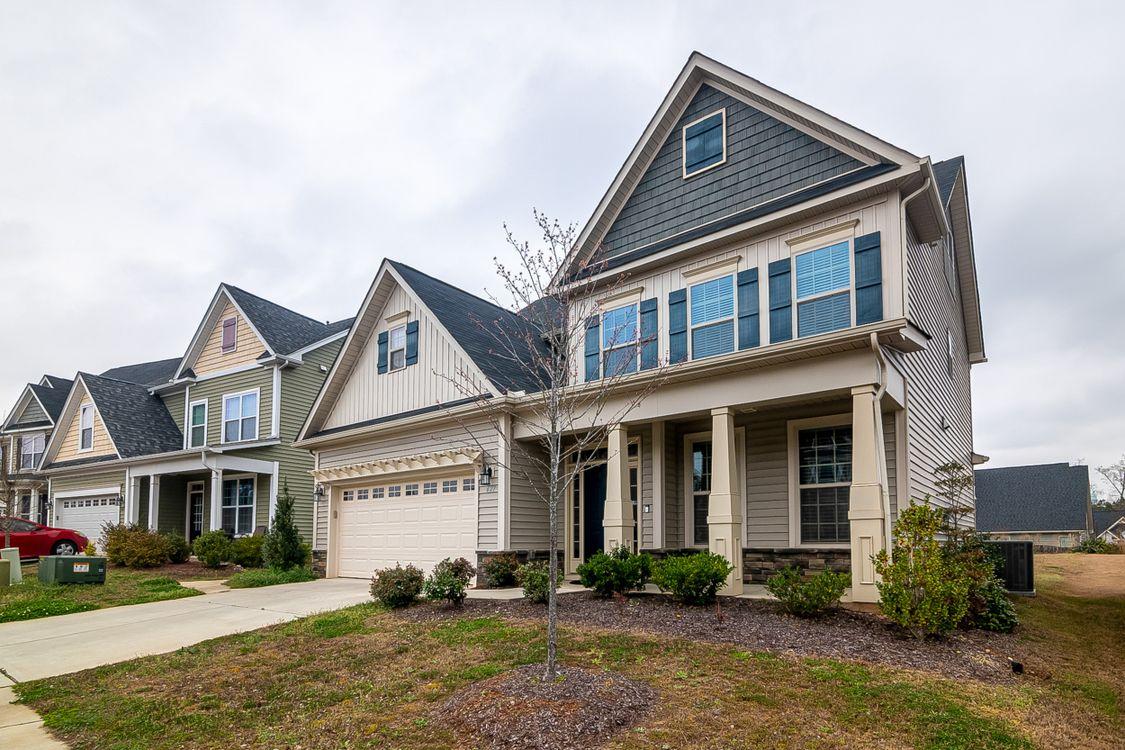
Shingles face constant exposure to sunlight, rain, wind, and seasonal temperature changes. Asphalt shingles are widely used on residential roofs because they combine durability, appearance, and manageable maintenance.
Homeowners may notice curling, cracking, missing shingles, or excessive granule loss, which may indicate aging or weather damage.
Visible shingle damage does not always tell the whole story. Water beneath the surface can affect hidden layers, so evaluation should go beyond appearance.
4. Flashing: Protecting Vulnerable Transitions
Flashing is installed where the roof meets another surface or changes direction. It is commonly found around chimneys, skylights, vents, walls, valleys, and other areas where water can collect or change course.
These transitions need dependable protection because seams and joints can become pathways for moisture. Proper flashing redirects water toward the drainage system.
Loose, corroded, cracked, or poorly sealed flashing can allow water into the roofing assembly. When roof leak repair is needed, identifying the actual source is essential; covering an interior stain without addressing the exterior entry point may only mask the problem.
5. Drip Edge: Protecting the Roof Perimeter
The drip edge is a metal component along the roof edges. It guides runoff toward the gutters while helping shield the roof edge from moisture.
Persistent moisture around the perimeter may eventually contribute to fascia repair needs. This small component therefore plays an important role in helping protect the edges of the roofing assembly and the wood beneath them.
6. Gutters and Downspouts: Controlling Runoff
A roof needs a controlled way to move water away from the house. Gutters collect runoff along the edges, while downspouts carry it toward a safe discharge area.
Clogged, sagging, detached, or poorly pitched gutters can cause overflow against siding, trim, foundations, and landscaping. Damaged joints may leak before water reaches the downspout, making timely gutter repair important.
7. Ventilation: Managing Attic Conditions
Roof ventilation helps regulate temperature and moisture in the attic. Balanced systems may combine intake vents near the eaves with exhaust vents near the ridge.
Effective airflow can limit heat buildup and manage moisture. Poor ventilation can contribute to condensation, damp insulation, wood deterioration, and reduced material performance.
Ventilation should be evaluated as part of the overall roofing system rather than treated as an isolated feature.
How Every Component Works Together
The strength of a residential roof comes from cooperation between its parts. Shingles shed rainfall, underlayment provides backup protection, flashing protects transitions, the drip edge manages perimeter water, gutters control runoff, ventilation manages attic conditions, and the deck provides structural support.
A problem in one component can affect others. Failed flashing can allow water to reach the underlayment and deck. Poor drainage can keep roof edges and fascia exposed to moisture. Excess attic humidity can contribute to deterioration over time.
This interconnected design is why professional roofing services should evaluate the complete system, not only the most visible symptom.
What Newport News Homeowners Should Watch For
Homeowners can begin with visual checks for missing shingles, displaced flashing, overflowing gutters, sagging roof lines, deteriorating fascia, attic stains, or moisture around ceilings and walls.
It is also important not to assume that every roofing problem means a full replacement. Some issues may involve one component, while others may point to wider deterioration. A professional assessment can help determine whether targeted repair or broader work is appropriate.
Careful inspection can connect warning signs to the responsible component, helping homeowners make informed decisions about repairs.
Protecting the Roof Starts With Understanding It
A residential roofing system is more than shingles. It is a coordinated assembly designed to manage water, weather, airflow, and structural demands.
For Newport News homeowners, knowing what sits beneath, above, and around the shingles makes professional recommendations easier to understand and developing problems easier to recognize. When the entire system is considered together, the goal is not merely to fix what is visible, but to protect the home for the long term.
Protect Your Home With the Right Roofing Support
Protect your home with roofing care from Guardian Roofing Services. Whether you need roof repair, fascia repair, or gutter repair in Newport News, our team can assess the system and recommend the right next step. Contact Guardian Roofing Services today to schedule an inspection and protect your home. Get a free estimate here.