

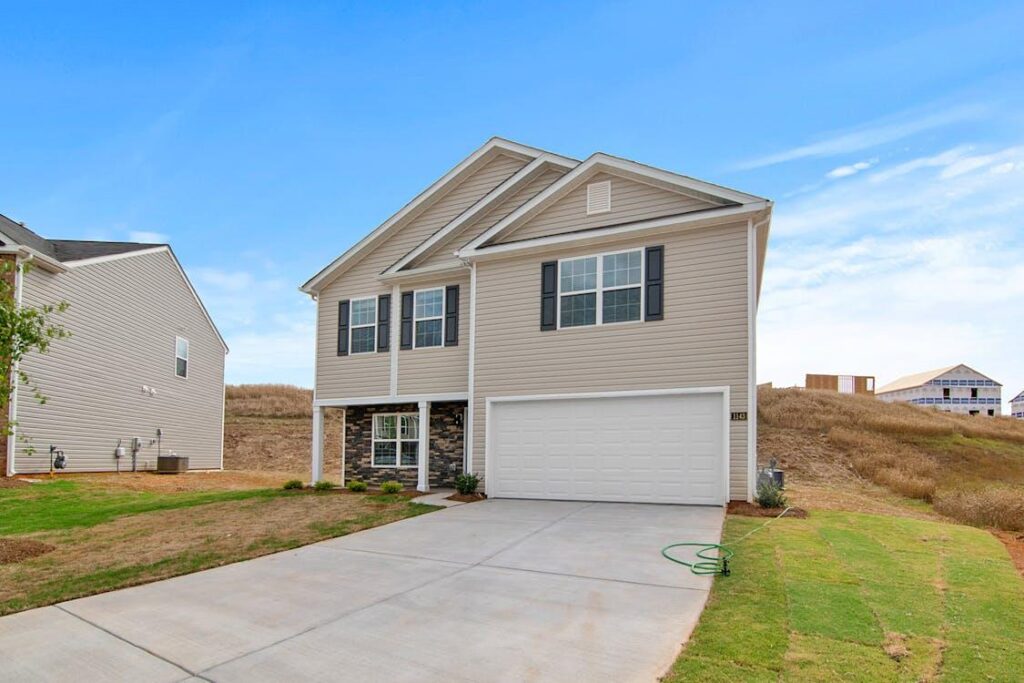
A roof is easy to think of as a collection of shingles, flashing, gutters, and other visible components. Yet beneath those protective layers sits an often-overlooked foundation: roof decking. For homeowners, understanding this hidden layer can explain why some roofing concerns require more than a surface fix—and why a qualified roofer may need to look below the shingles.
1. What Is Roof Decking?
Roof decking, also called roof sheathing, is the layer installed over the roof’s structural framing. It creates a continuous, stable surface where underlayment and roofing materials can be secured. Decking helps distribute loads across the roof system and contributes to the rigidity of the structure.
Because it sits directly beneath the waterproofing layers, decking is also part of the roof’s defense against the elements. When it remains dry, sound, and properly supported, the materials above it have a dependable foundation.
2. Why Decking Problems Can Be Easy to Miss
The challenge is that roof decking remains hidden. A homeowner may notice a stained ceiling, loose shingle, or water spot without realizing that moisture has already reached the wood beneath the roofing materials.
Persistent leaks can cause decking to absorb moisture, soften, warp, or deteriorate. Over time, damaged wood may lose its ability to provide a firm fastening surface. This can affect how securely roofing materials sit and may allow a minor roof problem to become a broader structural concern.
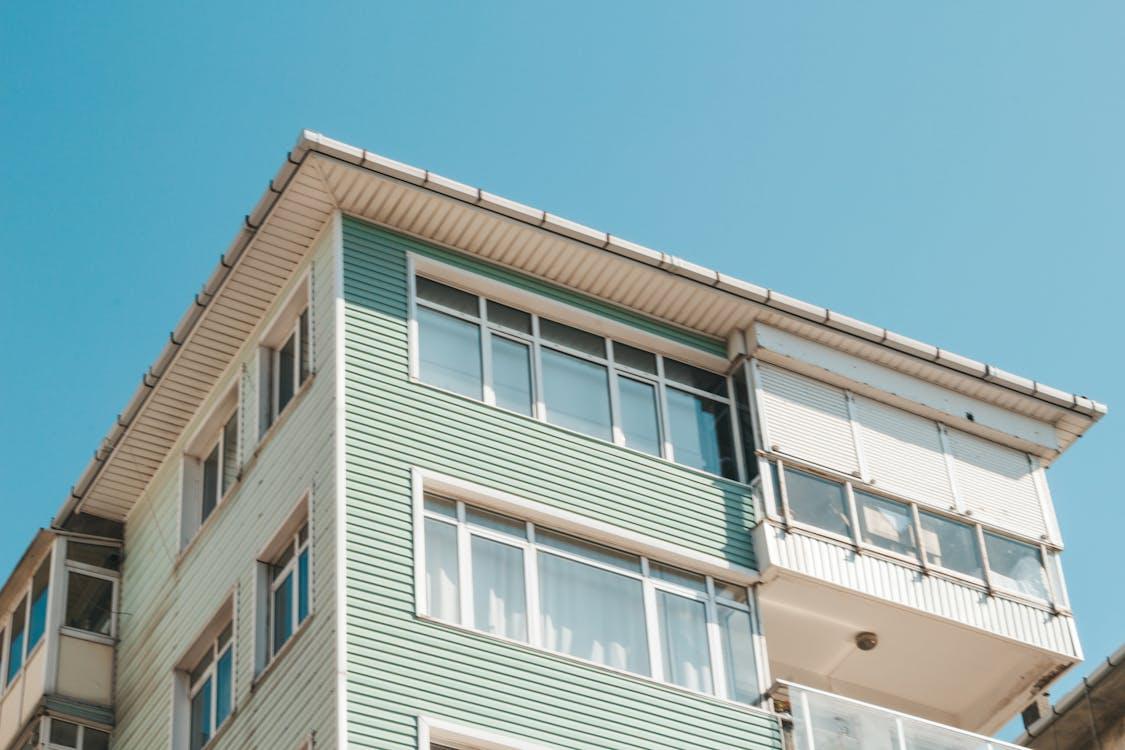
3. What Can Cause Decking Deterioration?
Water intrusion is one of the most common threats, but it is not the only one. Aging materials, repeated exposure to changing weather, ventilation problems, and installation issues can also contribute to deterioration. Areas around penetrations, roof intersections, and flashing deserve attention because they can become vulnerable when water bypasses the roofing layer.
When a concern extends beneath the visible roof covering, a qualified roofer can evaluate the system to determine whether the decking remains sound or needs further attention.
4. When Professional Evaluation Matters
Not every roofing issue means the decking needs replacement. The key is identifying the extent of the problem before repairs begin. During an inspection, a roofing contractor can look for soft or damaged decking, moisture-related deterioration, sagging areas, or conditions that may compromise the roof assembly.
If water has traveled beneath the surface, roof leak repair may involve more than replacing a few shingles. Addressing the source of the leak and assessing the materials underneath can help prevent recurring damage. In some cases, targeted roof repair is enough; in others, damaged decking may need to be repaired or replaced as part of a larger solution.
5. Protecting the Roof System From the Bottom Up
Roof decking may not be the part of your home you see first, but it is one of the layers your roof depends on every day. Keeping it sound supports the roofing materials above and helps preserve the integrity of the system. For Newport News homeowners, paying attention to warning signs and arranging evaluations can help small concerns stay manageable instead of becoming costly surprises.
Protect Your Roof From Hidden Damage
Need a closer look beneath the surface? Guardian Roofing Services can help Chesapeake homeowners identify decking concerns and determine the right next step. Whether you need a roofing contractor or roof repair, our team can assess your roof and recommend roofing services for your home. Reach out now.